2026 WSOP Main Event Bubble Day 4: It’s Crunch Time! My Take on Near-Bubble Strategy and Who’s Crushing It
The 2026 WSOP Main Event is on Day 4, with 1,389 players remaining and only 7 eliminations needed for the money bubble to burst, guaranteeing the remaining 1,382 players at least $15,000. Sasha Liu leads the charge with a massive stack, setting up an incredibly tense and strategic day.
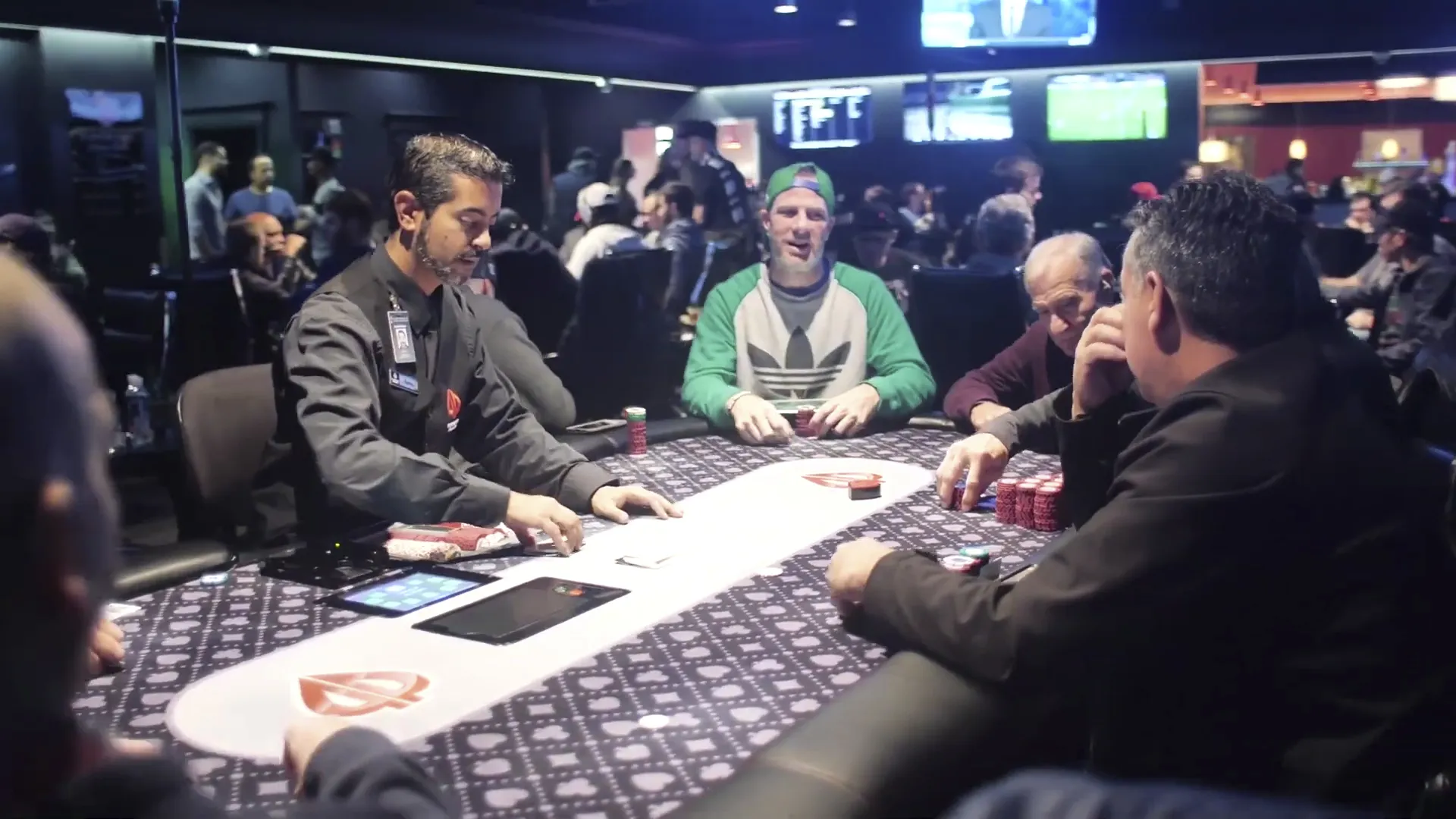
Alright, folks, can you feel that? That electric, stomach-churning tension in the air? That’s the WSOP Main Event money bubble, baby! Day 4 of the 2026 Main Event is on, and we’re SO close to the money. Just seven more players need to hit the rail, and then 1,382 people get to celebrate a min-cash of $15,000. Seriously, seven players. That’s it. It’s insane how close it is, and I’m glued to the updates, just like I was back in 2023 when I made my own run.
This is where the real drama unfolds. The big stacks start bullying, the medium stacks try to survive without bleeding too much, and the short stacks are just praying for a double-up or a quick bust out so they can collect their cash. I’ve been on both sides of that fence, and let me tell you, it’s not for the faint of heart.
What’s the Deal with Day 4 of the 2026 WSOP Main Event?
So, here’s the rundown: We started with a massive field of 9,208 entries, making it the fourth-largest Main Event ever. That’s a huge turnout, especially considering how many people thought poker was dead a few years back! The total prize pool is a staggering $85,634,400, which is just mind-boggling when you think about it. Day 3 just wrapped up, and we’re down to 1,389 players. That means only 7 more eliminations until everyone left is in the money. The blinds are at 4,000/8,000 with an 8,000 big blind ante, which means the pressure is on for those medium and short stacks. Every orbit is a significant chunk of their stack, especially with that ante.
Heading into Day 4, the chip leader is someone I hadn’t heard much about before this event, Sasha Liu, with an absolutely massive 2,364,000 chips. That’s a huge stack, giving her so much leverage on the bubble. Martin Zamani is right behind her with 1,963,000, and Levon Khachatryan rounds out the top three with 1,745,000. It’s always interesting to see these names at the top. Sometimes they hold on, sometimes they crash and burn. PokerNews reported these chip counts and the bubble situation yesterday, so it’s fresh off the press. (PokerNews)
But what really gets me excited are the familiar faces still in the mix. Hossein Ensan, the 2019 Main Event champ, is still in there with a healthy 1,280,000. That guy knows how to win, you can bet he’s not going to make any silly mistakes on the bubble. Shaun Deeb, John Cynn (another former champ!), Alex Foxen, and Michael Mizrachi are also still battling. These are the guys who live for this, and watching them navigate the bubble is going to be a masterclass.
On the flip side, some big names already hit the rail. Phil Hellmuth, the “Poker Brat” himself, busted when his flopped flush draw didn’t get there. Will Kassouf, known for his talk, lost a flip with pocket sixes. And Benjamin Pollak, man, he got absolutely crushed – flopped a full house and ran into quads. Ouch. Joe McKeehen, another former champ, also went out early. Daniel Negreanu, as Poker.org reported, busted and immediately jumped into a $600 Ultra Stack side event (Poker.org). That’s classic Kid Poker for you – never stops grinding! It’s a brutal tournament, and even the best can’t always make it through.
| Player | Chip Count (approx.) | Notes |
|---|---|---|
| Sasha Liu | 2,364,000 | Current Chip Leader |
| Martin Zamani | 1,963,000 | 2nd in Chips |
| Levon Khachatryan | 1,745,000 | 3rd in Chips |
| Hossein Ensan | 1,280,000 | 2019 Main Event Champion |
| Shaun Deeb | 938,000 | High Roller Pro |
| John Cynn | 927,000 | 2018 Main Event Champion |
| Alex Foxen | 839,000 | Tough Tournament Player |
| Michael Mizrachi | 615,000 | The Grinder, Multiple Bracelet Winner |
Who’s Really Got the Edge on This Bubble Day?
Honestly, on a day like this, it’s all about who has the chips and who has the guts. Sasha Liu, with that monster stack, is in a dream spot. She can open nearly every pot, put maximum pressure on the medium and short stacks, and basically steal blinds and antes at will. Everyone around her knows they can’t risk busting before the money, so they’ll fold marginal hands. That’s a huge advantage, and if she plays it smart, she could easily add another million to her stack before the bubble even bursts. It’s not just about surviving; it’s about setting yourself up for a deep run, and she’s got the perfect weapon: chips.
Then you’ve got the seasoned pros like Hossein Ensan. He’s been there, done that. He knows exactly when to push and when to back off. He won’t be as reckless as some of the younger players, but he also won’t be afraid to pull the trigger if he smells weakness. That kind of experience is invaluable. Shaun Deeb, too, he’s just a grinder. He’s going to be looking for every single edge, every fold equity spot, every opportunity to chip up without taking unnecessary risks. These guys are playing for the $10,000,000 first prize, not just the min-cash, and their play reflects that.
The real struggle is for those with 15-30 big blinds. They’re in that awkward spot where they don’t have enough to bully, but they have too much to just fold everything. They have to find good spots to shove, but if they get called and lose, it’s all over. That’s where you see the most agonizing decisions. I remember one time, it was a WPT Borgata side event, maybe a $600 buy-in. I was down to about 20 big blinds, and we were maybe 3-4 players from the money. I had pocket eights in the cutoff, and the button, who was super tight, opened for 2.5x. My brain was screaming “fold!” because I didn’t want to flip or get dominated, but my gut felt like this was a good spot for a resteal. I shoved, and he snap-called with AK suited. The board ran out dry, and I was out. I was so mad at myself. I should have just waited for a better spot, or folded the eights and waited for an ace or a king. That was a $1,200 min-cash I missed out on, and it haunted me for weeks. It’s a tough lesson, but sometimes patience truly is king, especially when you’re on the bubble.
I genuinely believe Sasha Liu and Martin Zamani are in the best position to not only cash but to significantly increase their stacks on this bubble day. They have the chips to apply relentless pressure. My gut says one of them is going to finish Day 4 with an even bigger lead. The pros like Ensan and Deeb will navigate it safely, but they might not be able to accumulate as aggressively as the top two. It’s a delicate balance.
Here’s the thing a lot of people miss about why the bubble is so brutal, and it’s worth spelling out because it changes how you should play: chips are not money. This is the whole idea behind ICM (Independent Chip Model). On Day 4 of the Main Event, the difference between busting one spot before the money and locking up that $15,000 is enormous in real-life terms, but in chip terms it can be a single coin flip. So the chips in a short stack’s possession are worth more to them per chip than the same chips are to Sasha Liu’s 2.3 million. That asymmetry is exactly the leverage the big stacks get to press. When I’m the big stack, I’m not thinking “I have a good hand” — I’m thinking “this guy literally cannot call me without a monster because busting here costs him fifteen grand.” That’s ICM pressure in plain English, and it’s why a chip leader can open 72o from the button on the bubble and get away with it more often than not.
What I love about watching a Main Event bubble specifically, versus some random $1,500 event, is that the min-cash actually matters to a huge chunk of the field. In a high roller, everyone at the table can afford to bust — they’re playing for the top of the ladder and the min-cash is a rounding error. Here, a big percentage of those 1,389 players satellited in, or saved up for the buy-in, or are amateurs who flew in once a year for this. The $15,000 is real money to them, so the fear is real, and real fear is what the pros feast on. I’ve watched bubbles drag on for over an hour because nobody wants to be the one, and that’s when the big stacks quietly print. If you’re ever the short stack praying to fold into the money, just know: everyone at the table can see you’re scared, and the good players are counting on it.
On the bubble, watch for players with 10-15 big blinds. They’re often the ones forced to make all-in moves, creating bust-out opportunities for bigger stacks. It’s a brutal but necessary part of tournament poker.
How Do You Even Survive a Main Event Bubble?
Okay, so you’re sitting there, maybe 10-15 players from the money, and your heart is pounding. What do you do? It depends entirely on your stack size, obviously. If you’re Sasha Liu with 2.3 million, you’re the predator. You’re opening wide, 3-betting light, and punishing anyone who even thinks about entering a pot. You want to chip up and put yourself in a great position for the later stages. This is not the time to be passive. You’re playing for the win, not just the money.
If you’re a medium stack, say 30-50 big blinds, it’s tricky. You can still open some pots, but you have to be careful not to get into a big confrontation with a monster stack. You’re looking for uncontested pots, stealing blinds and antes from tighter players. You might even consider a light 3-bet if you think the original raiser is weak and folding a lot. The goal is to stay afloat, maybe chip up a little, and avoid any high-variance spots.
Practice for free · Build your confidence
Now, if you’re a short stack, 10-15 big blinds or less, you basically have two options: find a good spot to shove or fold your way into the money. If you can blind down to the money, great, you accomplished your goal. But if the bubble is taking too long and your stack is dwindling, you have to make a move. You’re looking for any ace, any suited connector, any pair. You shove and pray. It’s not pretty, but it’s often the only way. I’ve seen guys shove with literally anything just to get a flip and pray. It’s brutal, but that’s tournament poker for you.
A common mistake I see on the bubble, especially from less experienced players, is playing too tight with a medium stack. They’re so scared of busting that they just fold everything, and their stack slowly gets eaten by the blinds and antes. By the time they’re in the money, they have like 5 big blinds left and no real chance to make a deep run. You have to be aggressive when it makes sense, even on the bubble. Daniel Negreanu always talks about adapting, and the bubble is the ultimate test of adaptation. You can’t just stick to one gear.
Playing Too Tight with a Medium Stack
Many players with 20-40 big blinds become overly passive on the bubble, folding too many hands. This blinds them down and wastes valuable opportunities to chip up. The correct approach is to identify weak spots, especially players with smaller or similar stacks who are playing even tighter, and exploit them by opening more pots and stealing blinds/antes.
Calling Off a Big Stack Light Because You “Feel” a Bluff
The flip side of playing scared is playing hero. When a monster stack keeps jamming into you, it is tempting to snap them off with a middling ace or a small pair because you’re convinced they’re stealing. Sometimes they are. But on the bubble the math is stacked against you: if you call and lose, you don’t just lose the pot, you lose the guaranteed $15,000 and every ladder jump above it. Unless you have a genuinely strong hand or a read you’d bet your house on, folding and preserving your tournament life is almost always the higher-EV play. Let the big stack have the small pots — you’ll get the chips back once the bubble bursts and everyone stops folding.
One more thing that trips people up: the bubble does not end the second it bursts. There’s a huge, predictable shift the moment “we’re in the money” gets announced. All those short stacks who were folding to survive suddenly start shoving with anything, because their goal flipped from “cash” to “ladder up or go home.” If you kept a healthy stack through the bubble, the orbit right after the burst is one of the most profitable spots in the whole tournament — you get to sit back and pick off desperate all-ins with your good hands. I always tell people: don’t relax when the money hits, that’s when you press the accelerator.
If you’re just watching, enjoy the ride! This is where you see some amazing plays and some heartbreaking bust-outs. It’s pure poker drama. The Main Event final table, by the way, is delayed until August so ESPN can air edited coverage, which is annoying for us live followers, but good for the broader audience. And remember, the winner gets a cool $10,000,000, and even making the nine-handed final table guarantees you at least $1,000,000. Talk about life-changing money!
Practice your tournament play · No financial commitment
Poker involves financial risk — play responsibly.
Common Questions About the Main Event Bubble?
What does “money bubble” mean in poker?
The money bubble is the point in a poker tournament when there is exactly one more player than the number of paid places. Once one more player is eliminated, everyone remaining is guaranteed a minimum payout.
How many players are left before the money in the 2026 WSOP Main Event?
As of Day 4, there are 1,389 players remaining, and 1,382 players will make the money. So, only 7 more players need to be eliminated for the bubble to burst.
What is the minimum cash prize for the 2026 WSOP Main Event?
The minimum cash prize for the 2026 WSOP Main Event is $15,000.
Who is the chip leader entering Day 4 of the 2026 WSOP Main Event?
Sasha Liu is the chip leader entering Day 4 with 2,364,000 chips.
Is it better to play tight or aggressive on the bubble?
It depends on your stack size. Big stacks should play aggressively to exploit the fear of elimination. Short stacks usually need to find a spot to shove. Medium stacks need a balanced approach, picking good spots to steal blinds and avoid big confrontations.