How to Play Small Pocket Pairs in Texas Hold’em: The 22-66 Survival Guide
Small pocket pairs (22 through 66) aren’t trash hands, but they’re not the premium hands your brain tricks you into thinking they are. The right way to play them: get in cheap when you have position and deep stacks, hit a set and stack someone, miss and get out. That’s it. Stop shoving preflop with pocket threes.
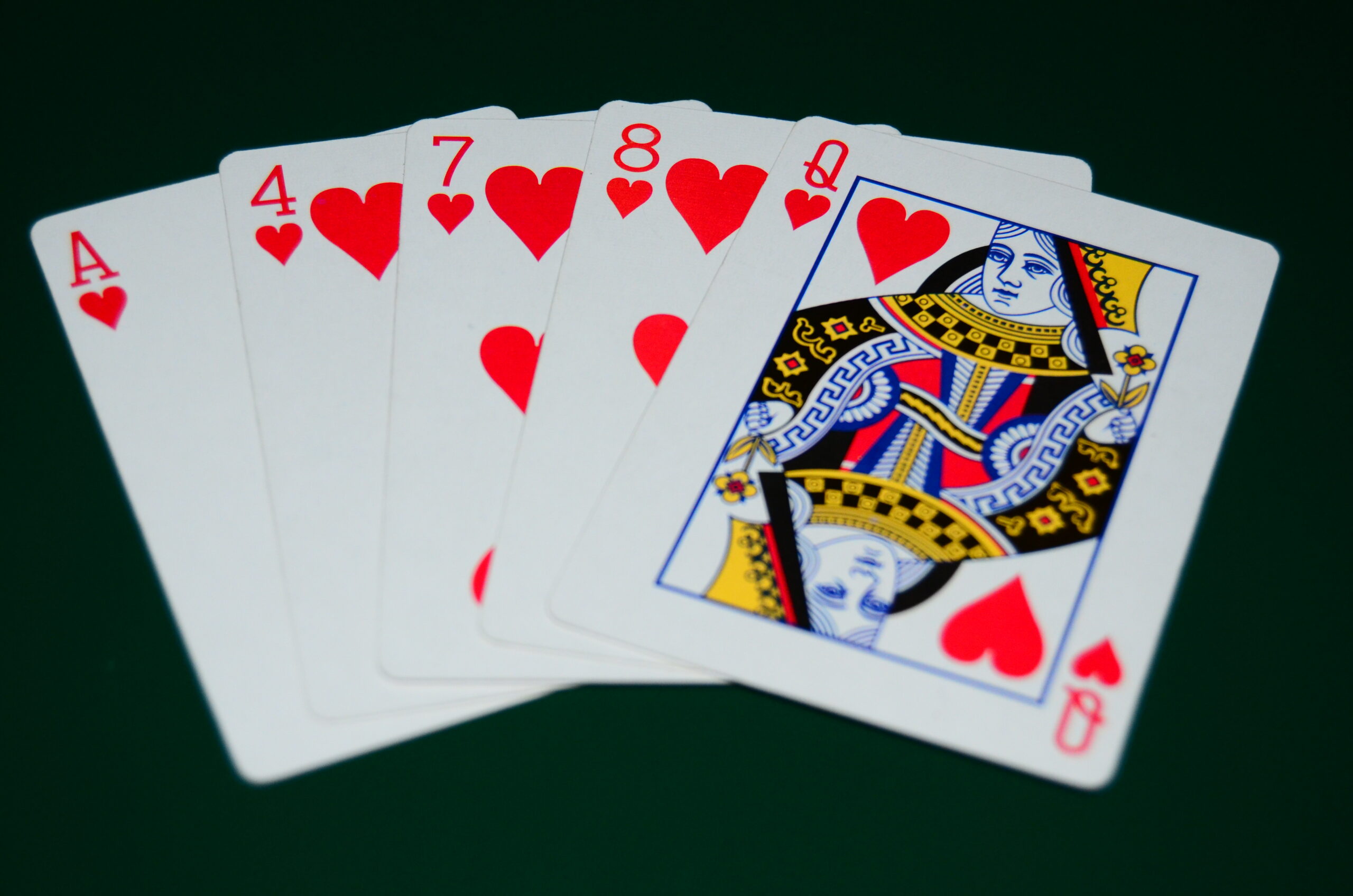
I still remember the first time I got dealt pocket fives at a live 1/2 game. I looked down, saw that pair, and my heart did a little dance — “I already have a made hand!” Then the flop came ace-king-jack and two other players started firing chips like they were confetti. My little fives were about as useful as a screen door on a submarine.
Took me way too many sessions to figure out the real deal with small pocket pairs: their value isn’t in “being a pair already.” It’s in the roughly 12% chance of flopping a set — one of the most disguised monster hands in poker. That’s where the money is. Everything else is damage control.
How strong are small pocket pairs, really?
Here’s something that messes with new players’ heads: pocket fives versus ace-king suited is basically a coin flip preflop — about 52% to 48%. Sounds okay, right? But once the flop comes down and there’s an ace or king sitting there (which happens about 40% of the time), you’re staring at your fives wondering if you should just set them on fire.
The uncomfortable truth about 22-66:
- They’re the bottom of the pair food chain — any bigger pair dominates you badly
- If you don’t flop a set, they’re almost unplayable on most boards
- You’ll flop a set roughly 1 in 8 times (about 12%)
- But when you DO hit, your opponent almost never sees it coming, and that’s where you make your money
Think of it like buying a lottery ticket — except you get to choose when the tickets are cheap enough to be worth buying. That decision is what separates winning players from the “I had a pair!” crowd.
What should I do with small pocket pairs in each position?
Position matters more for small pocket pairs than almost any other hand type. The same pocket fours that’s an easy open on the button might be a snap-fold under the gun. (For a full breakdown of positional advantage, see our guide on exploiting position in poker.)
Under the Gun / Early Position (UTG/UTG+1): Mostly fold
Yeah, I know. Folding a pair feels wrong. But in early position with 22-44? You raise, someone behind you 3-bets, and now you’re stuck. Calling a 3-bet with pocket threes to “set mine” when you’re out of position and the pot is already bloated? That’s how you leak money at a rate that’s honestly hard to believe until you track it.
55 and 66 I’ll sometimes open if the table is passive and I expect callers but not 3-bets. But 22-44 from UTG? Into the muck they go.
Middle Position: Selective opens
Better than early position by a mile since there are fewer players left to act behind you. I’ll open 55-66 for a standard raise if it folds to me. 22-44 are still marginal — I fold them from MP more often than I play them, honestly.
If someone opened in front of me and I’m in MP, the key number is this: is the call less than 5% of the effective stack? If yes, I’ll call to set mine. If no, fold. Quick math, done, move on.
Cutoff / Button (CO/BTN): The sweet spot
This is where small pocket pairs come alive. On the button, I’m playing every single one — 22 through 66, doesn’t matter. You have position (which means you act last on every street), you can steal the blinds if everyone folds, and when you do see a flop, you have maximum information.
My favorite spot: button with pocket fours, everyone folds to me, I raise to 2.5x. Big blind calls. Flop comes ten-seven-two rainbow. I c-bet half pot and most of the time the big blind folds right there. Didn’t even need to hit a set — position alone carried the hand. I tracked my stats for a while and my button opens with small pairs were profitable even accounting for the times I bricked the flop, just from fold equity alone.
Big Blind: Just call small raises, fold to big ones
In the big blind, if someone min-raises or goes 2.5x, you’re getting a good price to call with any small pair. You’ve already put money in, the call is small relative to the pot, and you can check-raise on a good flop. But if you’re facing a 4-bet or a massive raise? Let it go. Small pairs in huge pots out of position is a recipe for sadness.
I flopped a set — now what?
Congrats, you beat the 7.5-to-1 odds. You’re sitting there with pocket fours on a king-nine-four board and your heart is pounding. Now, whatever you do, do NOT just shove all-in.
I made that mistake so many times early on. Hit a set, got so excited I jammed everything in, and watched in disbelief as everyone folded and I won a pathetic 7 big blind pot. Cool. Great use of my set.
Here’s what actually works:
- On the flop: If you have position, just call or make a small raise. Keep your opponent in the hand. If you’re out of position, check to let them bet (and consider a check-raise on the turn if the board doesn’t get too scary)
- On the turn: Start building the pot. If they bet, raise. If they check, put in a bet. But watch the board — if a third flush card or an obvious straight-completing card hits, your set might not be the nuts anymore
- On the river: This is payday. If you think they have a big pair or top pair good kicker, make a value bet they can’t resist calling. Size it around 60-75% pot
One hand I’ll never forget: 1/2 live game, I had pocket fives, flop came queen-five-deuce. Villain had ace-queen and was betting every street like he owned the place. I just called, called, then raised river. He tank-called and I scooped a $400 pot. That hand alone paid for every time I missed with a small pair that month.
The beauty of a set is that it’s invisible. Use that.
What do I do when I miss? (Spoiler: this happens 88% of the time)
Let’s be real, most of the time you call preflop with your pocket threes, the flop comes ace-king-something, and you’re done. That’s normal. That’s expected. The question is whether you can actually fold when this happens.
Most of the time: just fold.
I know you paid to see the flop and it feels like wasted money. But you know what wastes more money? Calling a bet on the flop with 33 when the board is AKJ, hoping to hit one of two outs on the turn. That’s a 4.3% chance. Would you take a 4.3% chance in any other situation where you had to pay real money? Probably not.
Some exceptions where you can keep going:
- The flop is really low (like 7-4-2 or 8-3-2) and you have 55 or 66 — you might actually have the best hand. Bet small and see what happens
- You have position and everyone checked to you — they’re showing weakness, so a small bet might take it down
- The pot is tiny and you can see the turn for very cheap. But never chase two outs in a big pot. Never
The money you save by folding when you miss is literally part of your profit. Sounds weird, but think about it: every bad call you don’t make is money that stays in your stack for a hand where you actually have an edge.
The set mining math: when is calling preflop actually worth it?
Set mining — calling a preflop raise specifically to hit a set — is the bread and butter of small pair strategy. But not every spot is good for it. There’s a rule of thumb called the “15-to-1 rule” (some people say 20-to-1) that keeps you honest.
Simple version: The amount you pay to call shouldn’t be more than 5-7% of the effective stack.
Say you have 200 big blinds and someone raises to 5BB. That’s 2.5% of your stack — easy call. But if they raise to 15BB? That’s 7.5%, getting marginal. And if you’re short-stacked at 50BB and someone raises to 5BB? That’s 10% of your stack — fold. You can’t win enough even when you hit to justify the cost of all the times you miss.
The logic: you hit roughly 1 in 8 tries, so you need to win at least 8 times your investment when you do hit. If stacks aren’t deep enough to pay you off, the math doesn’t work. Period.
Want to run the numbers for specific stack depths? Our free pot odds calculator lets you input any scenario and see the exact breakeven frequency.
4 mistakes beginners always make with small pocket pairs
Shoving preflop with small pairs
33 vs AK is roughly a coin flip, sure. But 33 vs QQ? You’re an 18% dog. You don’t know what they have when you shove. And even against AK, risking your entire stack on a 52% spot is marginal at best — especially in a tournament where your tournament life is on the line.
Calling flop bets with no set and no plan
Flop comes AKJ, you have 44, villain bets half pot. “Maybe I’ll hit a four on the turn!” That’s a 4.3% chance and you’re calling half pot to see it. The math says run away. I burned through more money doing this than I’d like to admit.
Ignoring stack depth when set mining
If villain only has 30BB behind, even hitting your set won’t pay you enough to cover all the misses. Set mining only works when stacks are deep. If the effective stack is under 40BB, your small pair is basically just “fold or shove” territory, not “call and hope.”
Going all-in on the flop when you DO hit a set
You waited 8 hands to hit this set. Don’t blow it by jamming and scaring everyone away. The whole point of a set is that it’s hidden — if you overbet, anyone without a strong hand folds and you win almost nothing. Let them hang themselves. Slow down, build the pot gradually, and extract maximum value.
What Is the Lowest Pocket Pair Worth Playing?
This is one of the most common questions I get, and the answer isn’t as simple as a single hand. Technically, 22 (pocket deuces) is the lowest pocket pair in poker — it’s the absolute bottom of the pair hierarchy. But “lowest” and “worth playing” are two very different things.
Here’s how I think about it after thousands of hours at the table: every small pocket pair from 22 to 66 is playable in the right situation. The real question is when and where.
In most cash games with 100BB+ stacks, all five small pairs (22 through 66) are worth playing for set mining. The deep stacks mean you can win enough when you hit to offset all the times you miss. If you’re sitting with 200BB effective stacks and someone opens to 3BB, calling with pocket deuces is completely standard — you’re investing 1.5% of your stack for a shot at stacking someone. For more on why stack depth matters so much, check out our cash game buy-in strategy guide.
In tournaments, it gets trickier. Once stacks drop below 30BB, set mining math breaks down because you can’t win enough to justify the call. And when you’re under 20BB? Only 55 and above is worth shoving as a short-stack play. Pocket twos, threes, and fours just don’t have enough equity against typical calling ranges when you’re shoving short. If you’re near the money bubble, the decision gets even harder — see our tournament bubble strategy guide for the math on when to risk it.
My practical rule: in a standard game, 66 and 55 are always playable from any position (open or call). 44 is playable from middle position forward. 33 and 22 are button/blind specials only — unless you’re getting an amazing price in a multiway pot with deep stacks. The lower the pair, the more conditions need to line up before I put money in.
One more thing worth noting: pocket deuces specifically has zero overpair potential on any realistic board. Even on a 3-4-5 flop, a deuce doesn’t help you like a six would on the same board. That’s why 22 is genuinely the hardest small pair to play — its only path to a big pot is hitting exactly a set. You can plug 22 into our odds calculator and see for yourself how thin the margins get on overcards-heavy boards.
Small Pocket Pairs at a Glance: 22 vs 33 vs 44 vs 55 vs 66
| Hand | Set Odds (Flop) | Cash Game Play | Tournament Play | Difficulty |
|---|---|---|---|---|
| 22 | 11.8% | Set mine only — zero overpair value. Need 100BB+ stacks. | Fold <25BB. Shove-or-fold 25-40BB. Set mine 40BB+. | ⭐⭐⭐⭐⭐ |
| 33 | 11.8% | Slightly better than 22 — rare overpair on A-2-x type boards. | Fold <20BB. Marginal shove 20-35BB. | ⭐⭐⭐⭐ |
| 44 | 11.8% | Playable from MP+. Occasional overpair on 2-3-x boards. | Shove 15-30BB. Set mine 40BB+. | ⭐⭐⭐ |
| 55 | 11.8% | Open from any position. Overpair on low boards (2-3-4). | Shove 12-25BB. Standard open 25BB+. | ⭐⭐ |
| 66 | 11.8% | Best small pair. Value bet low boards without a set. | Shove 10-20BB. Open/call from any position. | ⭐ |
For more cash game fundamentals, see our guide to minimizing losses as a cash game beginner.
Is there a difference between 22 and 66?
More than you’d think.
66 on a low board — say, 5-3-2 — is often the best hand even without hitting a set. You can value bet it. You can even call a turn bet with some confidence. It plays almost like a medium pair on the right boards.
22, on the other hand, is basically never the best overpair on any flop (unless the flop is literally A-A-2 or something equally absurd). Its entire value comes from hitting that set. Miss the set, and it’s done.
My personal hierarchy: 66 > 55 > 44 > 33 > 22. Each step down means I fold more often preflop, especially from early position. From UTG, I might only play 55-66. By the time we’re down to 22-33, those only get played on the button or in the blinds for a cheap call.
Common Questions
Are small pocket pairs played differently in tournaments vs cash games?
Big time. Cash games usually have 100BB+ stacks, which makes set mining very profitable. But in tournaments, especially once you hit the middle and late stages, stacks shrink to 20-40BB and set mining becomes unprofitable. In those spots, small pairs become push-or-fold hands — you’re either shoving preflop to pick up the blinds and antes, or folding outright.
Should I still call with a small pair if the pot already has multiple raises?
If you’re getting multi-way action and your effective stack is deep, it can actually be MORE profitable — bigger pot when you hit means bigger payoff. But if someone’s 4-bet to 25BB and you have 100BB left? That’s 25% of your stack just to call, way too expensive for set mining. Context matters a lot here.
Online vs live — any difference in how to play these?
Online players tend to be tighter and more positionally aware, so your set mining profits are a bit thinner and post-flop bluffs with unimproved small pairs work less often. Live games are usually looser with more multiway pots, which means more set mining opportunities and occasional bluff opportunities when you can read physical tells.
Small pocket pair vs suited connectors — which is better?
Preflop, the small pair has a slight edge (roughly 53% vs 47%). But suited connectors have better implied odds in many scenarios because when they hit a flush or straight, opponents tend to pay them off more readily than when facing a potential set. Different tools for different situations. I keep both in my arsenal depending on position and game dynamics.
What is the lowest pocket pair in poker?
The lowest pocket pair is 22 (pocket deuces or “ducks”). It’s the very bottom of all 13 possible pocket pairs in Texas Hold’em. What makes deuces uniquely challenging is that they can never be an overpair to any board — even a 3-4-5 flop outranks them. Their entire value depends on flopping a set, which happens only about 11.8% of the time (roughly 1 in 8.5 flops). When you miss, there’s almost no way to continue profitably. That’s why many solid players fold 22 from early position in both cash games and tournaments — the risk-reward just doesn’t add up unless conditions are perfect.
Should I always set mine with small pocket pairs?
No, and this is a leak I see constantly. Set mining is only profitable when three conditions are met: (1) you’re paying less than about 5-7% of the effective stack to call, (2) your opponent’s stack is deep enough to pay you off when you hit (at least 15-20x the call amount), and (3) your opponent actually has a hand strong enough to put money in on the flop. If any of these conditions are missing — say, you’re calling a big 3-bet, or the raiser only has 30BB behind — then set mining becomes a slow money leak. In those spots, either fold or consider a preflop shove instead.
How do small pocket pairs perform in tournaments vs cash games?
The difference is massive. In cash games (100BB+ deep), small pairs are consistent money-makers through set mining. You call small raises, hit a set roughly 1 in 8 times, and stack someone for a huge pot. The math works beautifully over a large sample. In tournaments, though, stacks are often 20-50BB, which kills set mining profitability. Instead, small pairs become shove-or-fold hands: with 15-25BB, shoving pocket fives to steal blinds and antes can be correct. Below 15BB, only 55+ is typically worth shoving. The ICM pressure near the bubble also makes calling raises with small pairs much worse than in cash games, because busting costs more than just chips.