Poker Flush Rules Explained: Ranking, Tiebreakers, and 5 Mistakes I Kept Making
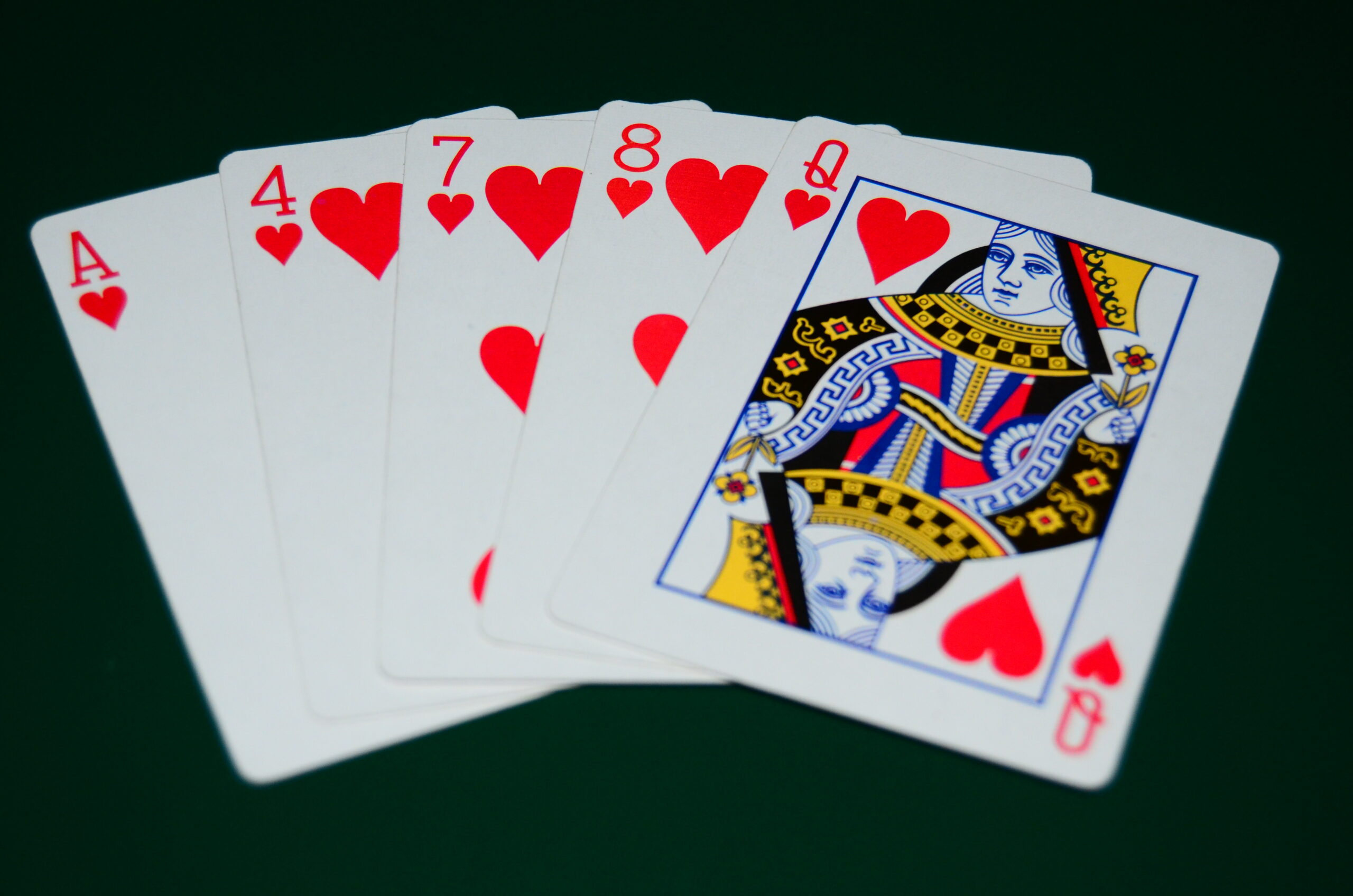
A flush is five cards of the same suit — not the same color, the same suit. Flushes are ranked by the highest card, then the second highest, and so on. Suits have no ranking in Texas Hold’em. If two players have the same flush (all five cards identical), the pot is split. These sound simple, but I’ve watched players lose huge pots over flush misunderstandings more times than I can count.
I still remember the hand that made me realize I didn’t actually understand flush rules. I had A♠7♠ on a board of K♠9♠4♠2♥J♦. My opponent turned over K♠Q♠. I thought my ace-high flush was unbeatable. It was — but I almost mucked because for a split second, I panicked thinking his king-queen “two high cards” flush might beat my single ace.
That moment of confusion told me something: even basic flush rules have more nuance than most beginners realize. Here’s everything you need to know, the way I wish someone had explained it to me.
What exactly is a flush in poker?
A flush is a hand containing five cards all of the same suit — hearts, diamonds, clubs, or spades. The cards do not need to be in sequential order. If they were sequential, that would be a straight flush, which is a completely different (and much stronger) hand.
Examples of a flush:
- A♥ K♥ 9♥ 7♥ 3♥ — Ace-high flush in hearts
- Q♠ J♠ 8♠ 6♠ 2♠ — Queen-high flush in spades
- 10♦ 8♦ 5♦ 4♦ 2♦ — Ten-high flush in diamonds
NOT a flush:
- A♥ K♦ 9♥ 7♥ 3♥ — Four hearts and one diamond (you need all five the same suit)
Where does a flush rank among poker hands?
In standard Texas Hold’em hand rankings, a flush sits right in the middle-upper range:
| Rank | Hand | Beats Flush? |
|---|---|---|
| 1 | Royal Flush | Yes |
| 2 | Straight Flush | Yes |
| 3 | Four of a Kind | Yes |
| 4 | Full House | Yes |
| 5 | Flush | — |
| 6 | Straight | No |
| 7 | Three of a Kind | No |
| 8 | Two Pair | No |
| 9 | One Pair | No |
| 10 | High Card | No |
The key fact most beginners miss: a flush beats a straight, but loses to a full house. I’ve seen this confusion play out at least a dozen times in home games. Someone flops a flush, gets all their chips in, and runs into a full house. For a deeper look at where every hand stands, check out our complete hand rankings tool.
How are flushes compared? (Tiebreaker rules)
When two or more players both have a flush, here’s exactly how the winner is determined:
Step 1: Compare the highest card
The player with the highest card in their flush wins. An ace-high flush always beats a king-high flush, regardless of the other cards.
Example:
- Player A: A♥ 8♥ 6♥ 4♥ 2♥
- Player B: K♥ Q♥ J♥ 10♥ 9♥
Player A wins. Even though Player B’s flush looks “prettier” with all those face cards, the ace is the highest card and that’s what matters first.
Step 2: If the highest card ties, compare the second highest
This keeps going card by card until a difference is found.
Example:
- Player A: A♠ K♠ 9♠ 5♠ 3♠
- Player B: A♠ K♠ 9♠ 5♠ 2♠
First card: A vs A (tie). Second: K vs K (tie). Third: 9 vs 9 (tie). Fourth: 5 vs 5 (tie). Fifth: 3 vs 2 — Player A wins.
Step 3: If all five cards are identical, split the pot
This can actually happen in Hold’em when the board provides most of the flush. For example, if the board is A♥K♥Q♥J♥3♦ and both players have one heart that isn’t higher than the jack, the five-card flush on the board is the best possible flush for both players.
I’ve personally been in this situation twice. Both times, one of us instinctively went for the chips before the dealer reminded us it was a split pot. It feels weird, but the rule is clear: identical five-card hands always split. For more on how tiebreakers work across all hand types, see our complete same-hand rules guide.
Does suit matter? (The biggest flush myth)
No. In Texas Hold’em, suits have no ranking. Spades are not higher than hearts. Diamonds don’t beat clubs. This is probably the single most common poker myth I encounter.
Where does this myth come from? Bridge. In contract bridge, suits are ranked (spades > hearts > diamonds > clubs) for bidding purposes. Some home games also adopt suit rankings as a house rule. But in standard poker — Texas Hold’em, Omaha, Stud — suits are completely equal.
Myth vs. Reality:
- Myth: “Spades are the highest suit”
- Reality: A♥ flush and A♠ flush are exactly equal in Hold’em
- Myth: “If we both have the same flush, the ‘higher suit’ wins”
- Reality: If all five flush cards are identical in rank, the pot is split — suit is irrelevant
The only time suit can matter is in very specific situations like determining the bring-in for Stud games, or breaking ties for the dealer button at the start of a tournament. But during actual hand play? Never.
Flush vs. straight: which one wins?
A flush always beats a straight. Always. The reasoning is mathematical: a flush is harder to make than a straight.
| Hand | Possible Combinations | Probability |
|---|---|---|
| Straight | 10,200 | 0.392% |
| Flush | 5,108 | 0.197% |
A flush is roughly twice as rare as a straight — that’s why it ranks higher.
If you’re still learning the full order of poker hands, our hand rankings reference has every hand compared side by side. And if you want to understand how to play when you’re drawing to a flush, our flush and straight draw strategy guide covers outs, pot odds, and semi-bluffing.
5 flush mistakes I kept making (and how to stop)
Mistake 1: Playing any two suited cards
When I first started, I’d play 7♥2♥ because “they’re suited!” The truth is harsh: being suited adds about 2-3% equity compared to the offsuit version. That’s not enough to turn garbage into gold. J♠2♠ is still a terrible hand. I learned this the expensive way over about 50 buy-ins.
Mistake 2: Thinking a four-flush on the board means you have a flush
If the board shows four hearts and you don’t have a heart in your hand, you don’t have a flush. You’d be playing the board’s four hearts plus your highest non-heart card — which is NOT a flush. You need five cards of the same suit in your best five-card hand.
Mistake 3: Overvaluing a low flush
Having a flush with 6♠ as your highest spade when the board has A♠K♠Q♠ is dangerous. Anyone with a single spade higher than your 6 has you beaten. I once stacked off with a 7-high flush on a four-spade board and my opponent calmly turned over J♠. Lesson learned: when the board is very flushy, your flush needs to be high to be safe.
Mistake 4: Ignoring the board pairing
When you have a flush but the board is paired (like K♥K♠9♥7♥2♥), someone could easily have a full house. A paired board with a three-flush should always make your alarm bells ring. Full house beats flush — every single time.
Mistake 5: Assuming a flush draw will always get there
A flush draw on the flop (4 cards of the same suit with 2 cards to come) completes about 35% of the time. That means it misses 65% of the time. I used to call any bet with a flush draw because “it’s coming.” It usually wasn’t. Always check if the pot odds justify the call before chasing.
Quick flush rules cheat sheet
- What is it? Five cards, same suit, any order
- Ranking: Beats straight, three of a kind, two pair, one pair, high card. Loses to full house, four of a kind, straight flush, royal flush.
- Tiebreaker: Compare highest card first, then second highest, and so on. If all five are identical, split the pot.
- Suit ranking: None. All suits are equal in Texas Hold’em.
- Flush draw odds: ~35% flop-to-river, ~19.6% on a single street
- Board flush: If five suited cards are on the board, every player “has” that flush — highest hole card of that suit wins, or split if no one has one.
FAQ: Flush rules questions I get asked the most
Can you make a flush with only one suited hole card?
Yes. If the board has four cards of one suit and you hold one card of that suit, your best five-card hand includes those five suited cards — that’s a flush. This happens more often than you’d think, and it’s completely valid.
What if the board has five cards of the same suit?
Then every player at the table has at least that board flush. The player with the highest hole card matching that suit wins. If no player has a card of that suit (or they’re all lower than the board’s lowest), the pot is split using the board’s five cards.
Does an ace-high flush have a special name?
Some players call it a “nut flush” because it’s the best possible flush (no flush can beat it). If the ace is in spades and it’s A♠K♠Q♠J♠10♠, that’s actually a royal flush — the best hand in poker.
Can you have a flush in Omaha?
Yes, but remember: in Omaha you must use exactly two of your four hole cards. So you need at least two cards of the same suit in your hand AND at least three of that suit on the board. Having four hearts in your hand is actually bad — it means two of your flush outs are dead.