C-Bet Strategy in 2026: When to Fire, When to Check, and How to Size Your Continuation Bets
Why Is the “Always C-Bet the Flop” Era Dead?
Five years ago, the standard advice was simple: if you raised pre-flop, bet the flop. Every time. Two-thirds pot. Done. And honestly? At the lowest stakes, that strategy still works reasonably well because your opponents fold too much.
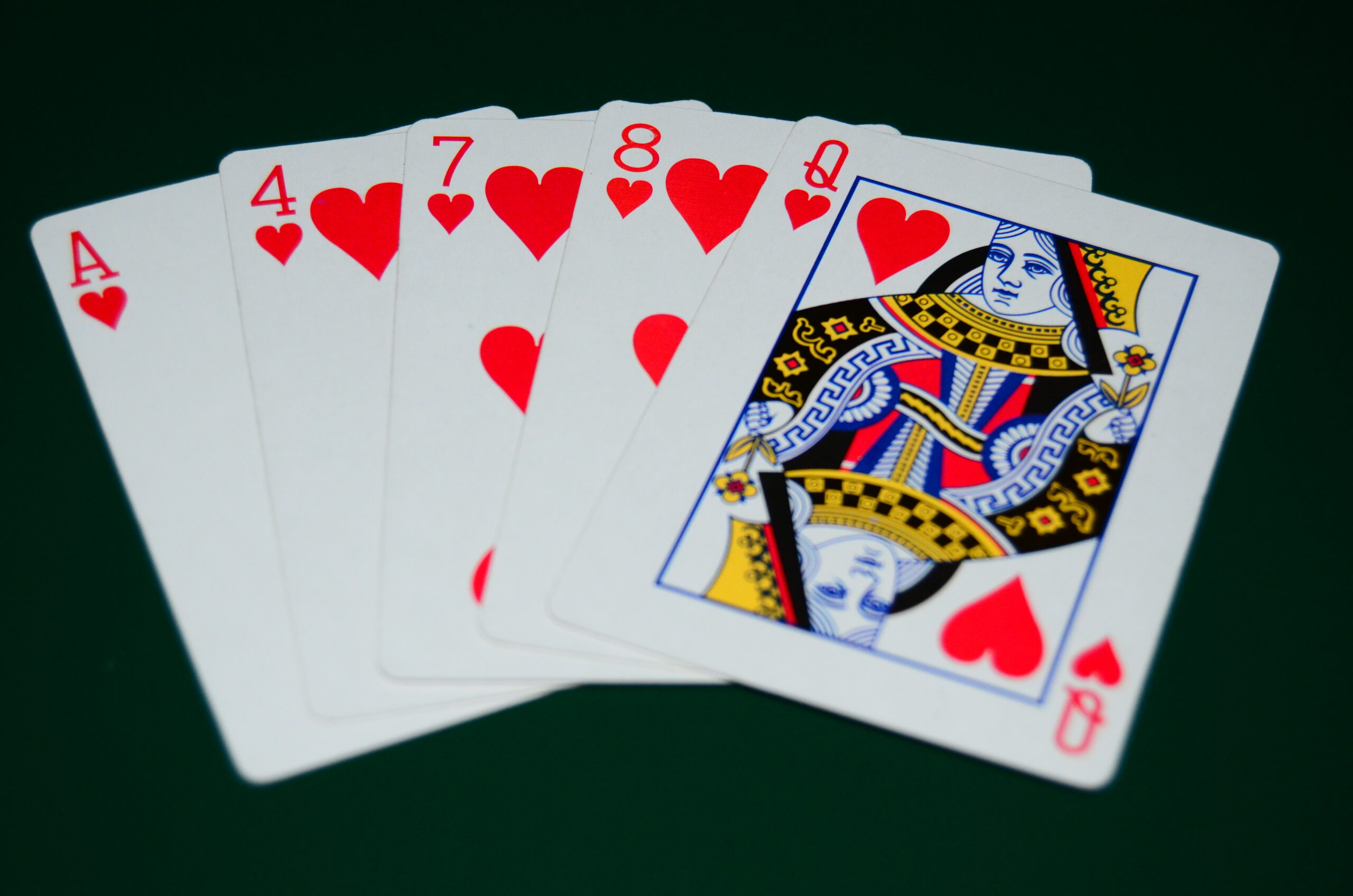
But modern poker has evolved. Solver studies have completely reshaped how we think about continuation bets, and the old “100% c-bet frequency” approach is now a documented leak. The key insight from solvers is this: the pre-flop raiser does NOT have an advantage on every board texture. On some flops, the caller’s range is actually stronger, and firing a c-bet into those boards is lighting money on fire.
I learned this the hard way during a $2/$5 session at the Bellagio in 2024. I was running a 78% c-bet frequency — basically betting almost every flop. A regular at the table noticed and started floating me on the flop with air, then betting when I checked the turn. Over 6 hours, he extracted roughly $800 from me in spots where I c-bet boards I had no business betting. That session cost me money, but the lesson was worth thousands: c-betting is not a reflex, it’s a decision that should change based on the board, the number of opponents, and who you’re playing against. I went home, pulled up my database, and realized my c-bet profitability on connected, low boards was deeply negative. Once I started checking those boards, my overall win rate improved by about 1.5 BB/100.
How Does Board Texture Determine Whether I Should C-Bet?
Board texture is the single most important variable in your c-bet decision. It determines how often you should bet, how much you should bet, and with which hands.
High-Card, Disconnected Boards: Fire Away
These are your bread-and-butter c-bet boards:
- A-7-2 rainbow: The pre-flop raiser’s range is loaded with aces (AK, AQ, AJ, AT) and big pairs (KK, QQ). The caller rarely has strong aces. C-bet frequency: 80-90%.
- K-8-3 rainbow: Similar story. Your kings are better than their kings. You have more overpairs. C-bet 70-85% of the time.
- Q-5-2 rainbow: Callers don’t have many queens in their range (they would have 3-bet QQ, and AQ often 3-bets too). You can c-bet very frequently.
On these boards, use a small sizing — 25-33% of the pot. Why? Because you’re betting with a high frequency (including lots of bluffs), so you want each bluff to be cheap. And the defender can’t call profitably with much on these dry boards anyway, so a small bet accomplishes the same thing as a large one.
Connected, Low-to-Mid Boards: Pump the Brakes
These boards are where the caller’s range often has the advantage:
- 7-8-9 two-tone: The big blind’s calling range is full of 67s, 78s, 89s, 9Ts, JTs, and T8s. They have more two-pair combinations, more sets (77, 88, 99 all called pre-flop), and more straight draws. The pre-flop raiser might have overpairs and AK, but that’s about it.
- 5-6-T two-tone: Again, the caller has tons of connected hands that smash this board.
- 3-4-7 rainbow: Even though it’s rainbow, the connectedness favors the caller’s range. They have 34, 45, 56, 67, 35 — all hands they’d defend from the big blind.
On these boards, your c-bet frequency should drop to 30-45%. Check a lot of your range, including some strong hands (to protect your checking range). When you do bet, use a larger sizing (66-75% pot) because you’re betting a more polarized range — strong value hands and strong draws.
Paired Boards: It Depends on the Pair
Paired boards are interesting because the answer changes dramatically based on which card is paired:
- A-A-7: The raiser has way more aces. C-bet very frequently, small sizing.
- K-K-5: The raiser still has more kings, but the caller has some too. C-bet moderately.
- 5-5-J: The caller has more 5x hands (they call with 54s, 56s, 57s). Be cautious — c-bet less often and with more actual value.
How Much Should I Bet When I C-Bet?
Modern c-bet strategy uses multiple sizings depending on the board and your range. Here’s the framework:
| Board Type | Recommended Sizing | Why | Example |
|---|---|---|---|
| Dry, high-card | 25-33% pot | High frequency strategy, cheap bluffs | A-7-2r: bet $4 into $12 |
| Semi-wet, high-card | 50-66% pot | Some draws exist, need to charge | K-T-6 two-tone: bet $7 into $12 |
| Wet, connected | 66-80% pot | Polarized range, charge draws heavily | J-T-8 two-tone: bet $9 into $12 |
| Monotone | 50-75% pot | Depends on whether you block the flush | 9-6-3 all hearts: bet $7 into $12 |
The key principle: small sizing = high frequency, large sizing = low frequency. These two go together. If you’re betting small on dry boards, you should be betting very often (with many bluffs). If you’re betting large on wet boards, you should be betting selectively (mostly value and strong draws).
What Changes When There Are Multiple Opponents in the Pot?
The biggest adjustment most players fail to make is reducing their c-bet frequency in multiway pots. Here’s why it matters so much:
In a heads-up pot, you’re betting against one person’s range. The probability that they have a hand strong enough to continue is maybe 40-50% on a favorable board. But add a second caller, and the probability that at least one of them can continue jumps dramatically — often to 65-75%.
The math is brutal. If each opponent would fold 55% of the time heads-up, the chance that BOTH fold in a 3-way pot is only 0.55 x 0.55 = 30%. That means your bluff c-bet gets through less than a third of the time — terrible for profitability.
Multiway C-Bet Rules
- Cut your bluffing frequency in half (or more) compared to heads-up pots
- Increase your sizing. When you bet into multiple opponents, use 66-100% pot. You need to narrow the field
- Focus on value. In a 4-way pot, c-bet only with top pair good kicker or better, strong draws, or nutted hands
- Respect the “sandwich effect.” If you’re first to act with players behind you who haven’t acted yet, check more often. They might be trapping
I’ve seen countless players lose stacks by c-betting AK on a J-7-4 board into three opponents. In a heads-up pot, that c-bet is standard. In a 4-way pot, you’re betting with ace-high into a field where someone almost certainly has a pair. Check, and re-evaluate on the turn.
What Should I Do When My C-Bet Gets Check-Raised?
Getting check-raised after c-betting is one of the most uncomfortable situations in poker. Your reaction to it reveals a lot about your skill level:
- Beginner reaction: “I bet and got raised, I must be beat” → folds everything, even strong hands
- Intermediate reaction: “I can’t let them push me around” → calls or re-raises too often
- Advanced reaction: Evaluates board texture, opponent tendencies, and hand strength before deciding
How to Decide: Fold, Call, or Re-Raise
Fold when:
- You have pure air with no backdoor draws
- You have a weak one-pair hand on a wet board
- Your opponent is a tight player at low stakes (their check-raise range is almost always value-heavy)
Call when:
- You have a strong draw (flush draw, open-ender, combo draw)
- You have top pair top kicker or an overpair
- The board is relatively dry and your opponent might be semi-bluffing
Re-raise (3-bet the flop) when:
- You have a set, two pair, or better
- You have a monster draw (13+ outs) that plays well as a semi-bluff
- You have a read that your opponent check-raises light and you want to push them off their equity
One critical note for live, low-stakes games: at $1/$2 and $2/$5, the average player’s check-raise range is much stronger than what solvers suggest. When someone check-raises you at these levels, they usually have at least two pair or a strong draw. Respect it until proven otherwise.
When Should I Fire a Second Barrel on the Turn?
The decision to bet the turn after c-betting the flop — the “double barrel” — is where good players separate from average ones. Here’s the framework:
Green Light: Bet the Turn
- You improved: You c-bet with AK on Q-7-3 and the turn brings an A or K. Now you have top pair — bet for value.
- Scare card for your opponent: Flop was 8-6-2, turn is an A. Even if you don’t have an ace, this card hits your range hard and your opponent knows it. They’ll fold a lot of middle pairs and weak draws.
- A draw completed that you hold: You c-bet with a flush draw and the turn completes it. Obviously bet.
- Your opponent’s range weakened: If the turn card makes it less likely that your opponent has a strong hand (e.g., it counterfeits some of their two-pair combinations), betting becomes more attractive.
Red Light: Check the Turn
- The board got more dangerous: Flop was K-9-3 rainbow, turn is 8 bringing a flush draw and more straight possibilities. Your opponent’s continuing range just got stronger.
- You have showdown value: Holding 88 on a 7-5-3-2 board, you have an overpair that’s likely best. But betting risks getting raised off the best hand. Check and go to showdown.
- Your opponent is a calling station: If they never fold, don’t bluff. It’s that simple. Save your double barrels for players who can actually find the fold button.
What About the Triple Barrel — When Do I Bet All Three Streets?
The triple barrel (betting flop, turn, and river) is the most aggressive line in poker and should be used sparingly. Here’s when it works:
- You have a very strong hand: Top two pair or better on a board where your opponent can have second-best hands they’ll call with
- A scare card river completes a believable draw: If you’ve been representing a flush draw and the river brings the flush, a triple barrel bluff can be very effective
- Your opponent’s range is capped: Through the action, you’ve determined your opponent likely has a medium-strength hand (like one pair) that they’ve been calling with but can’t handle a big river bet
At low stakes, triple barrel bluffs are almost always a mistake. Most opponents will call you down with any pair because they “want to see what you have.” Save your triple barrels for value hands and the occasional well-timed bluff against thinking players.
Can You Walk Me Through a Complete Hand With C-Bet Decisions?
Hand 1: A Well-Executed C-Bet Line
Game: $2/$5 No-Limit Holdem, 6-handed, effective stacks $500 (100BB)
I open to $15 from the cutoff with A♠ K♦. The big blind calls.
Flop ($33): Q♥ 7♣ 2♦
Dry board with a single high card. My range crushes this board — I have QQ, AQ, KQ, AA, KK, plus all the big aces like the one I’m holding. The big blind has some queens (Q9s, QTs, QJs) but far fewer than me, and their range is mostly medium pairs and suited connectors that bricked.
I c-bet $11 (1/3 pot). Small sizing because I’m betting at high frequency here — this is a range bet board where I bet with almost everything.
Big blind calls.
Turn ($55): K♠
Perfect card for me. I now have top pair top kicker, and this card also helps my range significantly (I have AK, KK, KQ that all benefit). More importantly, it’s a scare card for my opponent — if they called the flop with QJ or QT, they now have to worry about kings in my range.
I bet $35 (about 64% pot). Larger sizing here because I have a specific value hand that wants to build the pot. The big blind thinks for about 30 seconds and calls.
River ($125): 4♥
Complete brick. I bet $80 (64% pot) for value. My opponent thinks for a full minute and finally calls with Q♠ T♠ — top pair on the flop that never improved. I take a $285 pot.
The c-bet line here was textbook: small bet on a dry board, then sizing up when I improved and the turn was favorable for my range. The consistency of the story I told — “I have a strong hand” — made it credible, and my opponent paid off all three streets.
Hand 2: A C-Bet That Should Never Have Happened
Game: $1/$3 No-Limit Holdem, 9-handed, effective stacks $300 (100BB)
I open to $12 from middle position with A♥ J♣. The button calls, and the big blind calls. Three-way pot.
Flop ($39): 8♠ 7♠ 6♥
This is a nightmare board for the pre-flop raiser in a multiway pot. The 8-7-6 connected board smashes the ranges of both callers — they have 56s, 67s, 78s, 89s, 9Ts, 55, 66, 77, 88, and tons of straight draws. My AJ has zero equity against any of those hands. In a heads-up pot, I might consider a c-bet here with overcards and a backdoor straight draw. In a 3-way pot? Absolutely not.
But I bet $25. Why? Because old habits die hard, and I wasn’t thinking about the number of opponents or the board texture. I was on autopilot.
The button raised to $70. The big blind cold-called $70. I folded, losing $37 total on a hand where I should have lost $0 past the pre-flop raise. (For preflop starting hand guidance by position, see our starting hands chart.)
That $25 c-bet was pure waste. If I had checked, I would have seen the action behind me and confirmed what I should have already known: this board belongs to the callers, not the raiser. Use range thinking before you bet — ask yourself, “Whose range does this board favor?” If the answer isn’t “mine,” don’t bet.
What Are the Most Common C-Bet Mistakes I Should Avoid?
Mistake 1: Same Sizing on Every Board
If you’re always betting half-pot, you’re making a big error. Dry boards deserve small bets (25-33%). Wet boards (when you bet at all) deserve larger bets (66%+). Varying your sizing based on board texture is one of the biggest EV gains you can make. For more on how to think about pot odds and sizing from your opponent’s perspective, check out the pot odds mental math guide.
Mistake 2: C-Betting Into Multiple Opponents at High Frequency
This is the #1 c-bet leak at low stakes. In a 3-way or 4-way pot, your c-bet should be reserved for strong made hands and powerful draws. Bluffing ace-high into three opponents is not “aggressive play” — it’s a donation.
Mistake 3: Never Checking Strong Hands
If you always bet when you have a strong hand and always check when you’re weak, your opponent can exploit you easily. Sometimes you need to check top pair or even sets on boards where you’d normally bet — this protects your checking range and keeps opponents guessing.
Mistake 4: Ignoring Your Opponent’s Tendencies
A c-bet that’s great against one opponent might be terrible against another. Against a player who folds 70% to c-bets, you should be betting almost your entire range. Against a player who folds 25%, your bluffs are burning money. Adjust. This ties directly into how you adjust your strategy to different player types.
Mistake 5: Giving Up Too Easily After Getting Called
Some players c-bet the flop, get called, and then check-fold the turn every single time. This is just as exploitable as c-betting too much. If the turn is a good card for your range, keep telling your story. A well-timed double barrel is one of the most profitable plays in poker.
How Do I Build a Complete C-Bet Strategy I Can Actually Use at the Table?
Here’s the five-question framework I use before every c-bet decision:
- What’s the board texture? Dry and high = bet frequently, small sizing. Connected and low = bet selectively, larger sizing.
- How many opponents? Heads-up = normal frequency. Multiway = value-heavy, cut the bluffs.
- Do I have position? In position = can bet slightly wider (you control the action on future streets). Out of position = be more cautious.
- What does my opponent’s range look like here? Did this board hit their calling range? If yes, be careful. If no, bet with confidence.
- Who is my opponent? Tight folder = bet wide. Calling station = bet for value only. Aggressive = check some strong hands to induce.
Run these five questions in your head before every flop decision. It takes about 5 seconds and will save you from the two biggest c-bet mistakes: betting when you shouldn’t, and checking when you should bet. If you want to verify the math on marginal spots, the odds calculator can help you see whether your hand has enough equity against a likely calling range.
Frequently Asked Questions About C-Bet Strategy
What is a good c-bet frequency?
In heads-up pots with position, 55-70% is a healthy range. Out of position, 40-55%. In multiway pots, drop to 25-40% depending on the number of opponents. If your overall c-bet frequency across all situations is above 75%, you’re almost certainly over-bluffing. If it’s below 35%, you’re giving up too many pots.
Should I c-bet the same with a strong hand and a bluff?
On dry boards, yes — use the same small sizing for both value and bluffs. This makes you unexploitable because your opponent can’t tell the difference. On wet boards, you might use a larger sizing with both value and bluffs (strong draws), but your bluffing frequency should be much lower.
What’s the difference between a c-bet and a delayed c-bet?
A c-bet is betting the flop after raising pre-flop. A delayed c-bet is checking the flop and then betting the turn. Delayed c-bets are useful on boards where checking the flop is correct (connected, low boards) but the turn card improves your position. For example, checking an 8-7-5 flop with AK, then betting when the turn brings an A.
How should I adjust my c-bet strategy online vs live?
Online players at mid-stakes and above tend to defend against c-bets more accurately, so you need tighter c-bet ranges with more balanced sizing. Live players at $1/$2 to $5/$10 tend to either over-fold (c-bet more) or over-call (c-bet for value only). Identify which type your opponent is and adjust accordingly.
Is it ever correct to c-bet 100% of the time on a certain board?
Solvers show that on extremely dry, high-card boards like A-7-2 rainbow or K-8-2 rainbow, the pre-flop raiser can profitably bet their entire range at a small sizing (25-33% pot). So yes, there are boards where c-betting 100% is close to optimal — but these boards are the exception, not the rule. On most boards, you should have a healthy checking frequency.